Digital Experience Strategy
Improving clarity, conversion, and confidence across complex consumer journeys.
Years
2020-2021
Company
Scotts Miracle Gro
-
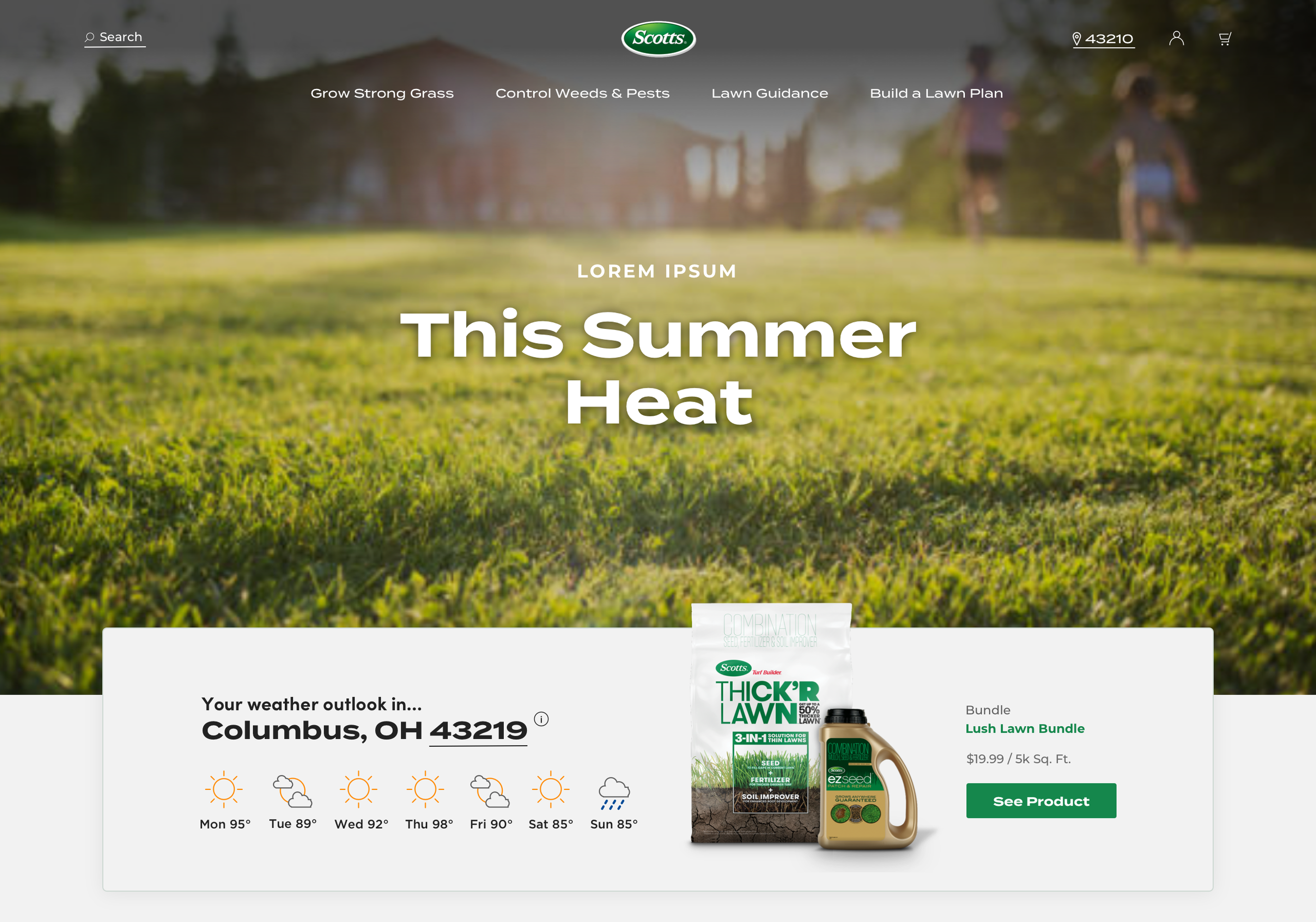
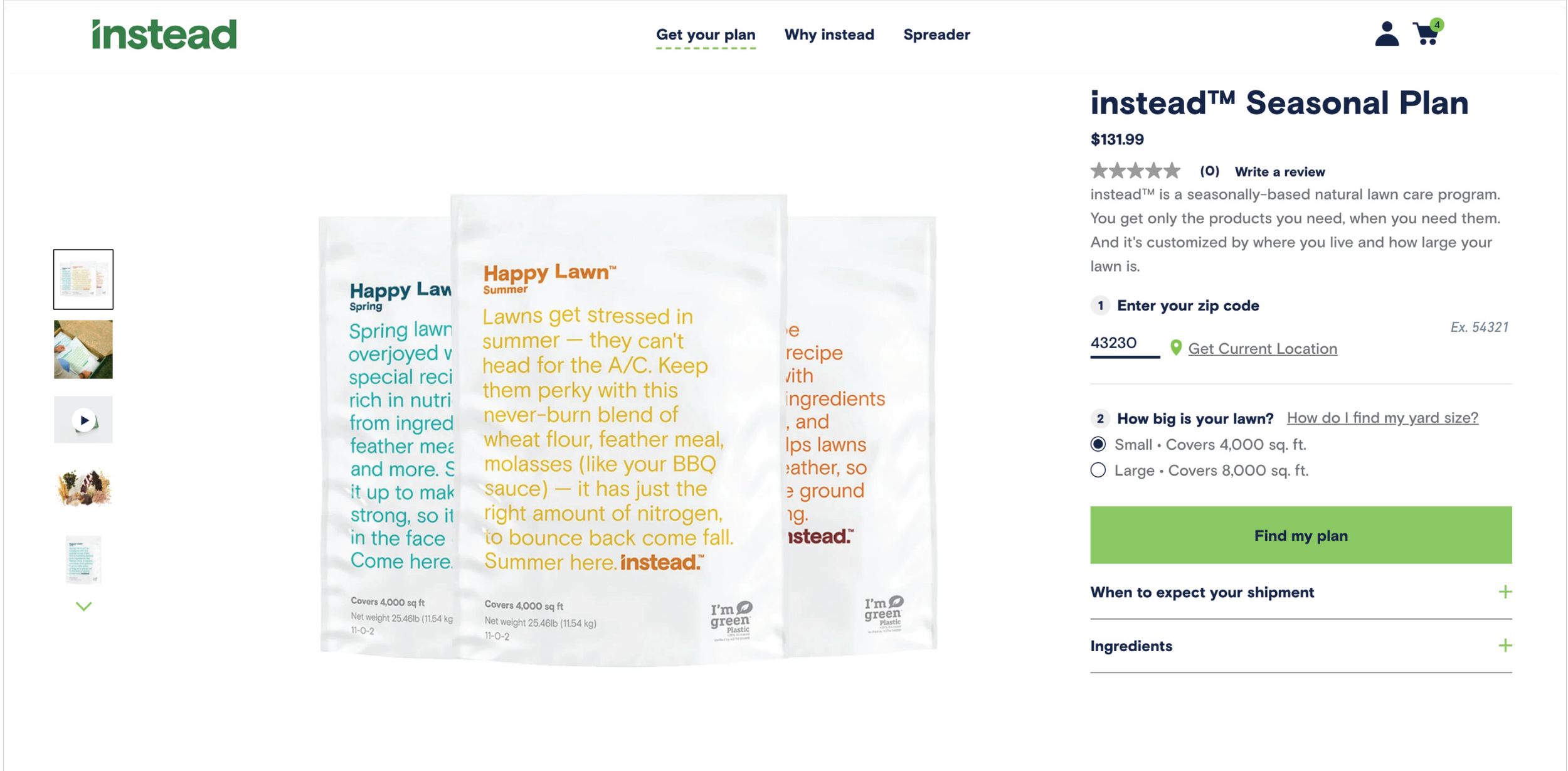
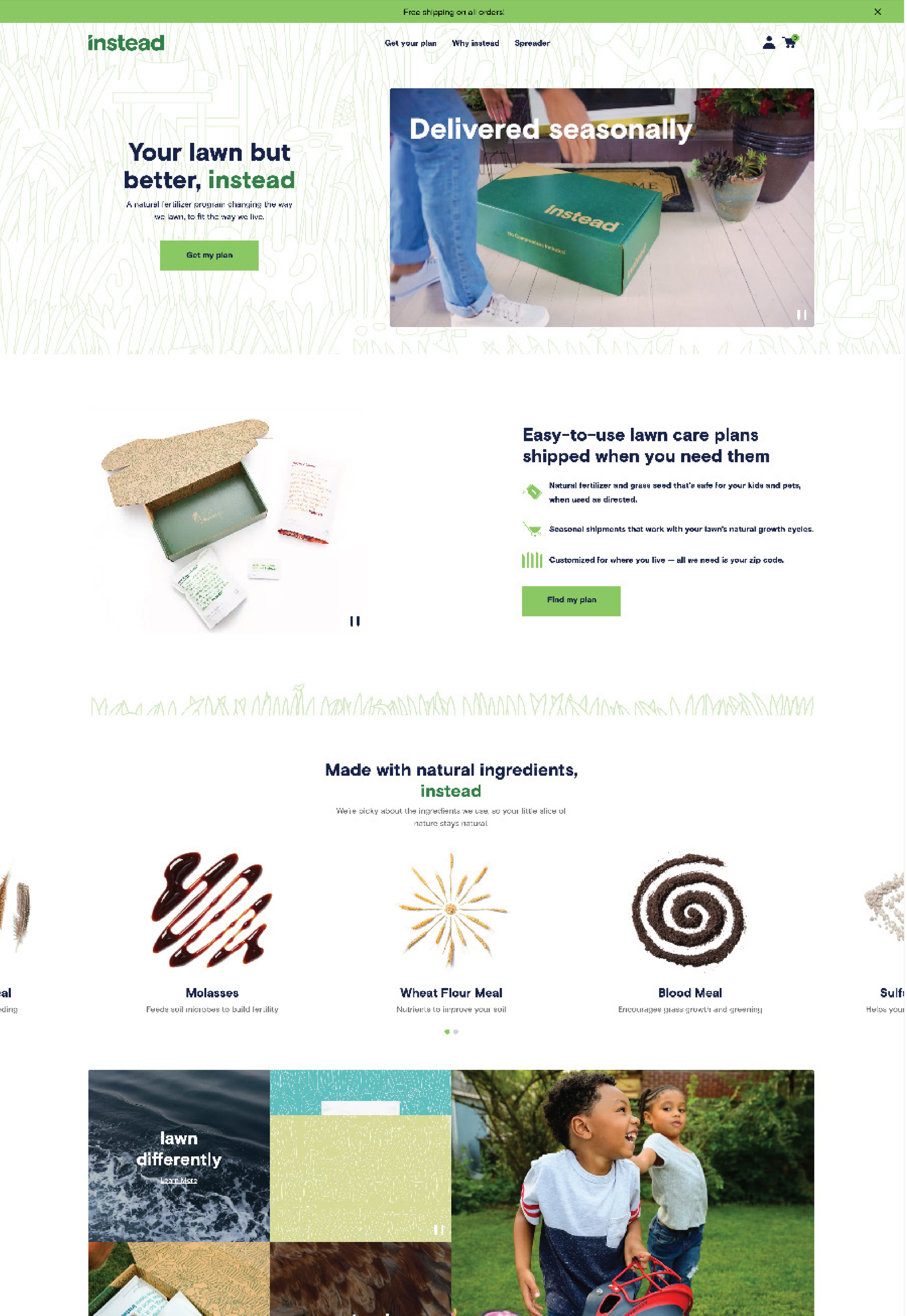
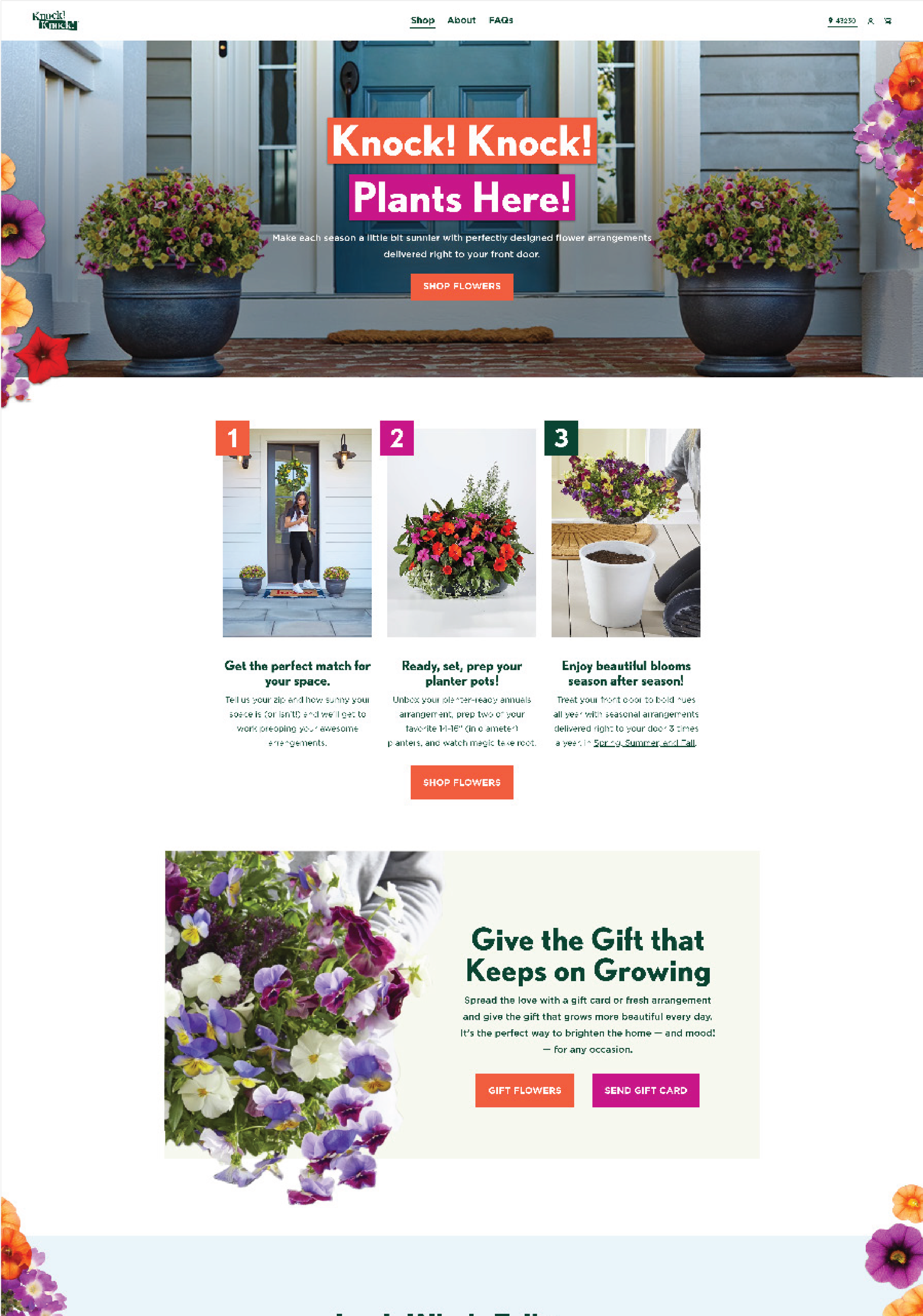
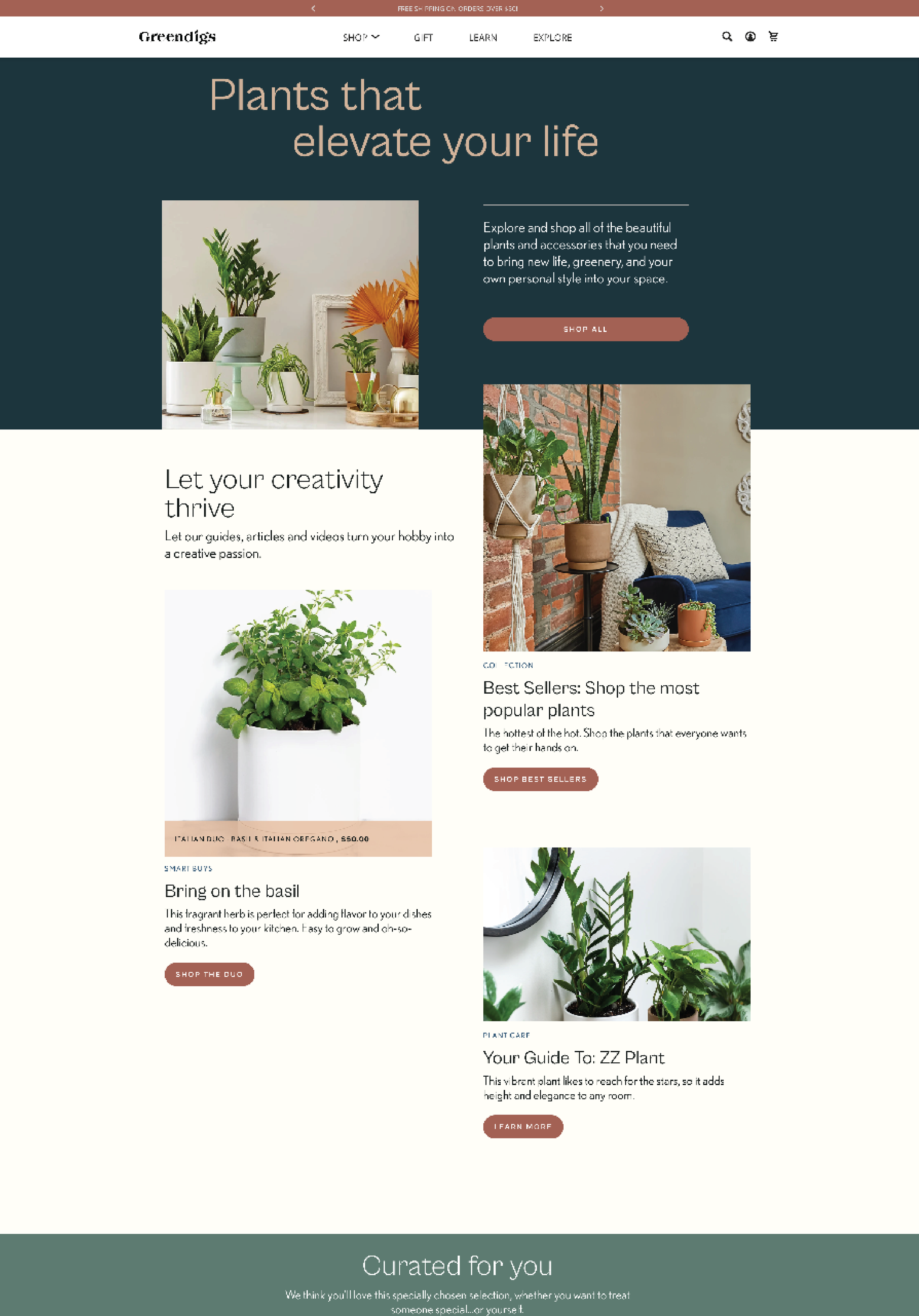
Scotts Miracle-Gro supports a broad portfolio of consumer brands and digital experiences, spanning education, e-commerce, and marketing-driven product discovery. Customers range from first-time gardeners to experienced enthusiasts, each with different needs, levels of knowledge, and motivations.
The digital ecosystem needed to:
Support multiple brands and product lines
Guide users through complex decision-making
Balance education with conversion goals
Continuously evolve based on performance data
-
I worked across multiple digital initiatives, partnering with product, marketing, analytics, and engineering teams to improve end-to-end customer journeys. My role focused on experience strategy, research, and optimization, ensuring digital experiences were both intuitive for users and effective for the business.
Scope included:
UX strategy and information architecture
Journey mapping and flow optimization
Usability testing and experimentation
Collaboration across brand, product, and marketing teams
-
Customers often struggled to:
Find the right products for their specific needs
Understand how different products fit together
Move confidently from education to action
From a business perspective, this resulted in:
Drop-off across key conversion points
Inconsistent experiences across brand sites
Limited insight into why users disengaged
The challenge was designing experiences that could scale across brands while remaining clear, helpful, and conversion-friendly.
-
I approached the work as a system optimization problem, not a series of one-off UX fixes.
My focus was on:
Understanding user intent at different stages of the journey
Clarifying information hierarchy and decision paths
Using research and data to guide prioritization
Designing flexible frameworks that teams could reuse
Key Design Areas
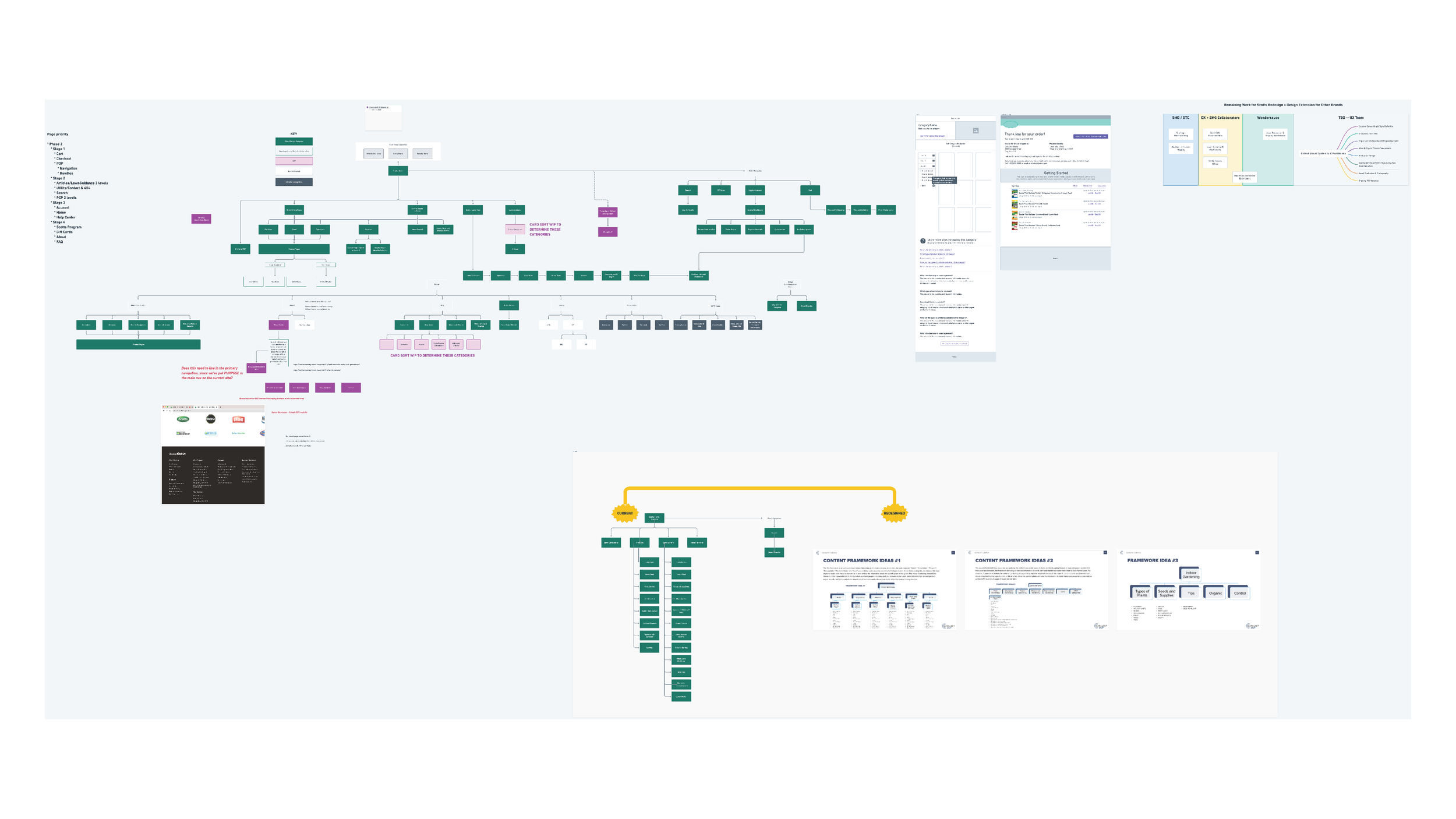
1. Journey Mapping & Information Architecture
Problem
Users struggled to navigate complex content and product ecosystems, leading to confusion and abandonment.
Solution Highlights
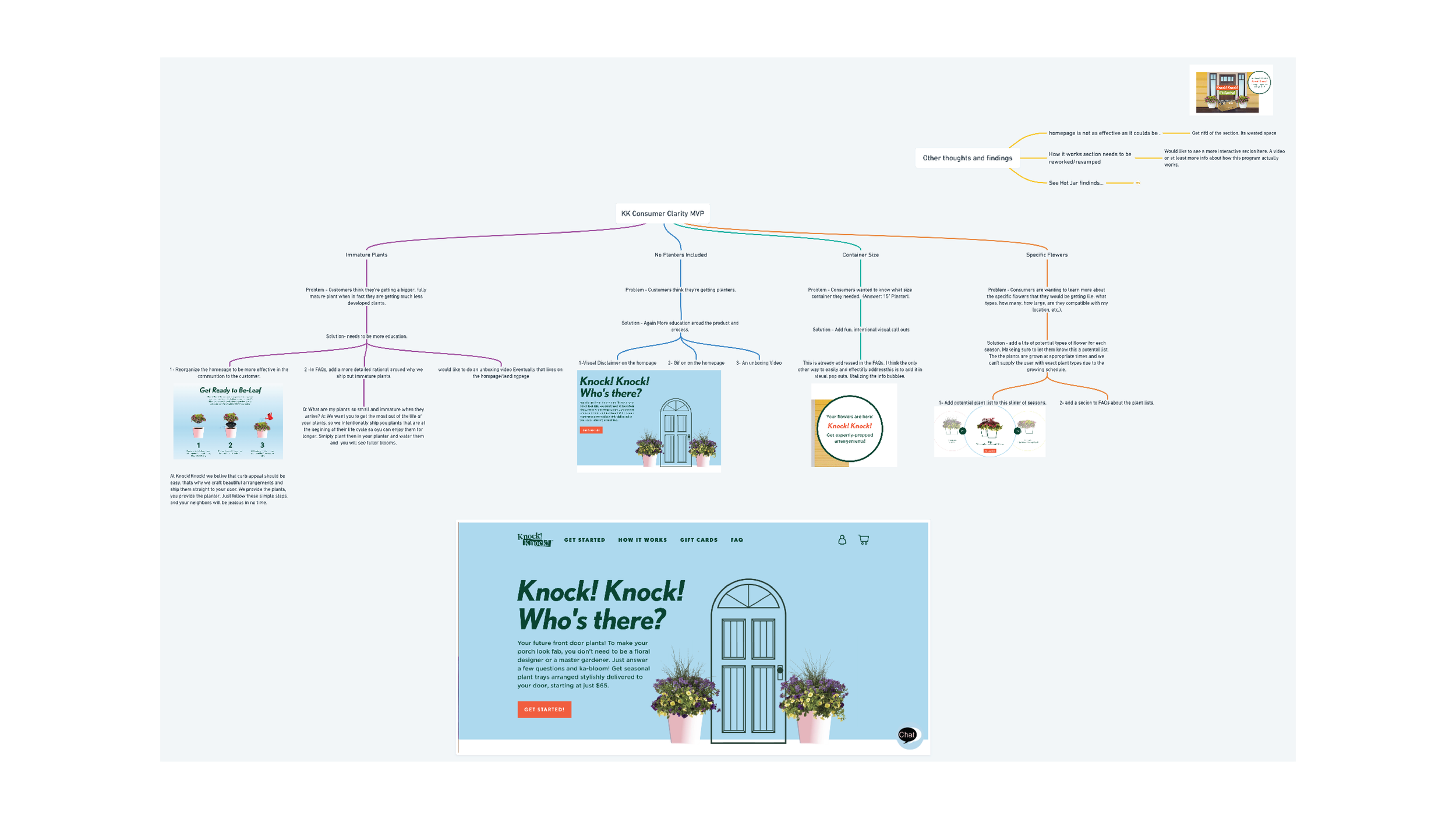
Mapped end-to-end journeys to identify friction points
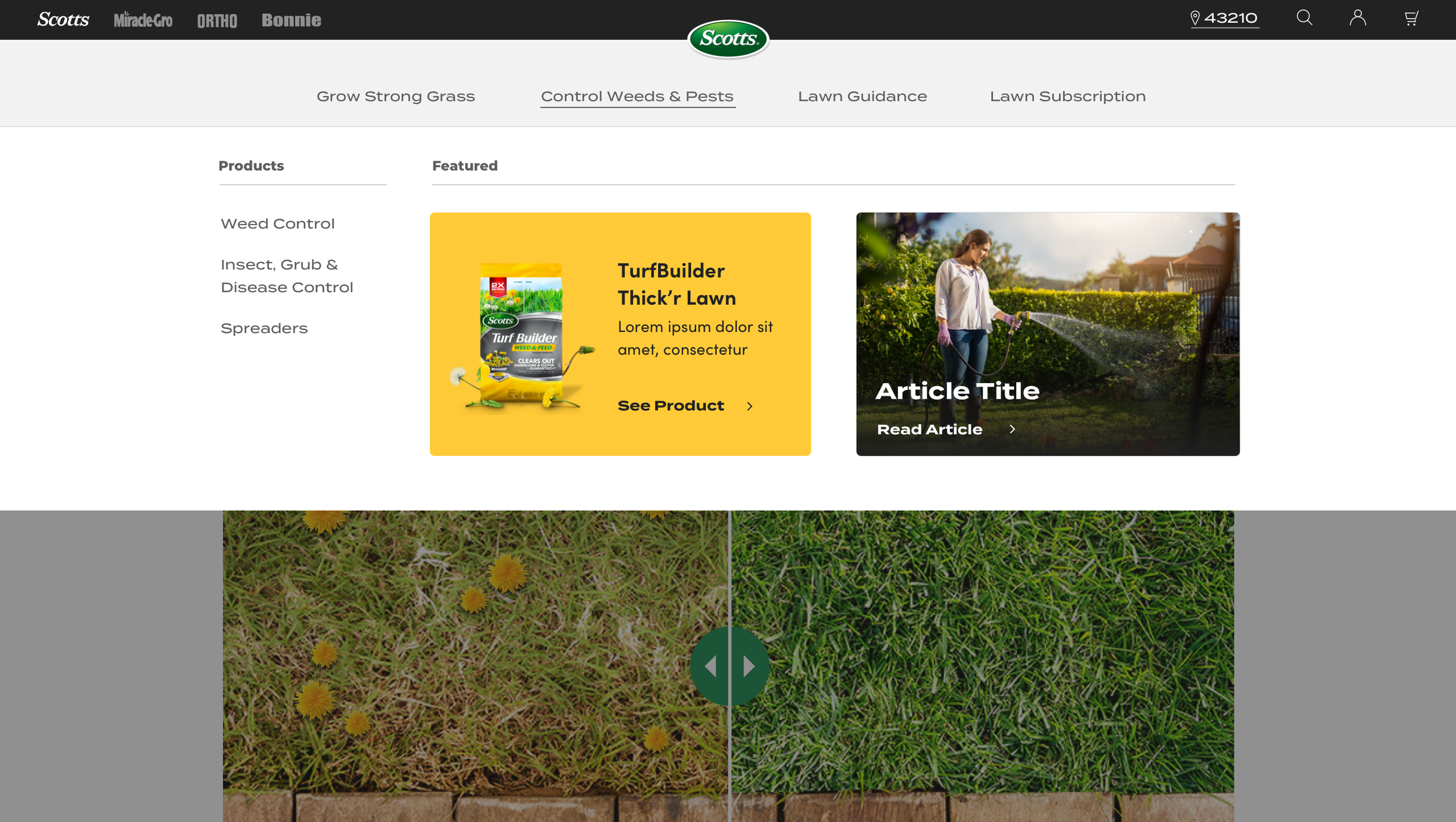
Reorganized content to align with user goals and mental models
Clarified pathways from education to product selection
2. Testing, Optimization & Experimentation
Problem
Teams lacked clear insight into which experience changes would drive meaningful improvement.
Solution Highlights
Planned and executed usability testing and A/B experiments
Partnered with analytics to interpret behavioral data
Iteratively refined flows based on measurable outcomes
3. Cross-Team Alignment
Problem
Multiple stakeholders owned different parts of the digital experience, making consistency and prioritization challenging.
Solution Highlights
Facilitated workshops and design reviews to align teams
Presented research findings and recommendations to stakeholders
Helped establish shared UX principles across initiatives

Outcomes & Impact
The work led to:
Clearer, more navigable digital journeys
Improved confidence for users making purchase decisions
Stronger alignment between user needs and business goals
A more data-informed approach to UX decision-making
While specific metrics varied by initiative, the work consistently supported improved engagement, conversion, and internal alignment.
What I learned
This role reinforced:
The value of grounding UX decisions in both research and analytics
How small, iterative improvements can drive meaningful impact
The importance of shared frameworks in large, cross-brand ecosystems
How UX strategy helps teams focus on the right problems